Vector current control
 TN106
TN106Vector current control is a widespread current control technique for three-phase AC currents, which uses a rotating reference frame, synchronized with the grid voltage (dq-frame)

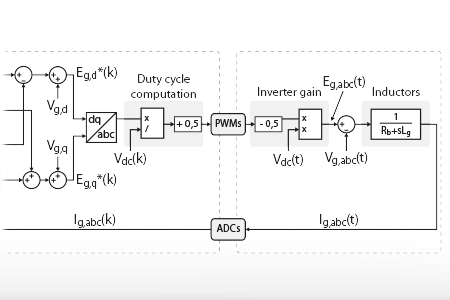
Vector current control is a widespread current control technique for three-phase AC currents, which uses a rotating reference frame, synchronized with the grid voltage (dq-frame)
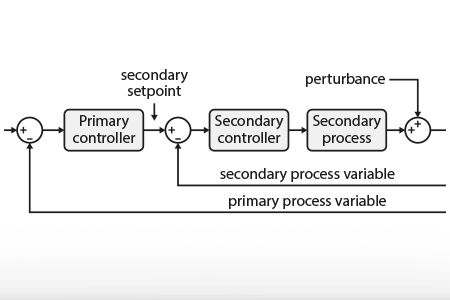
This note introduces the general operating principles of cascaded control and then details a possible design methodology. Then, an example of cascaded voltage control for a boost converter is provided.
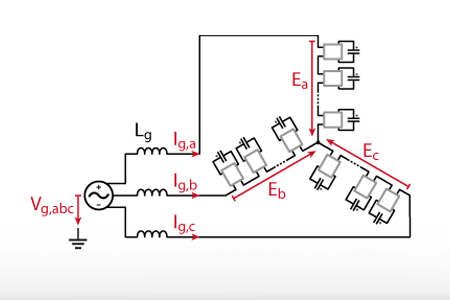
This article focuses on the control of a star-connected cascaded H-bridge (CHB) using voltage balancing controllers superimposed on a state-of-the-art cascaded voltage regulator with an inner current control loop.
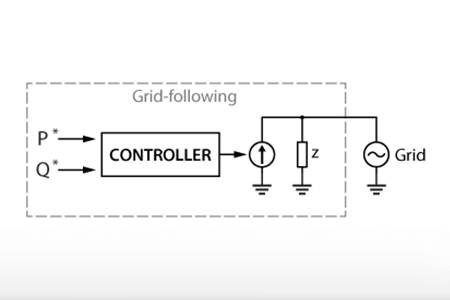
This technical note introduces the working principle of a Grid-Following Inverter (GFLI) and presents an implementation example built with the TPI 8032 programmable inverter. What is…
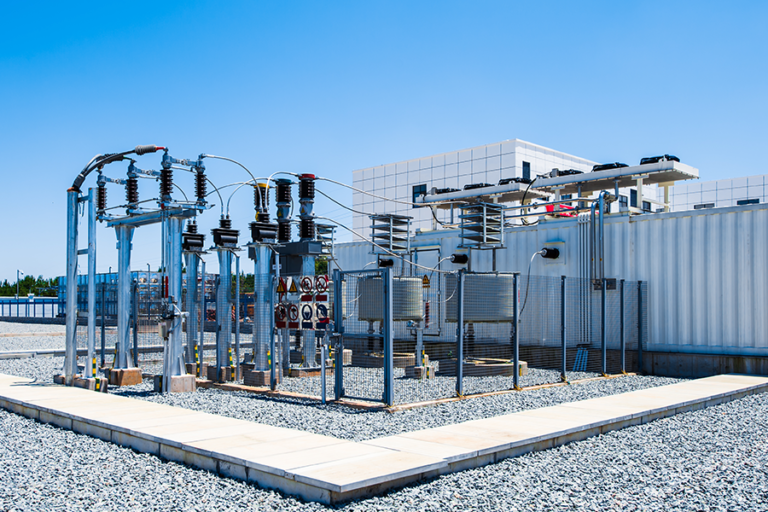
Static synchronous compensators (STATCOMs) are power electronic converters aiming at enhancing the overall power quality and system stability in power grids, by dynamically controlling the…
End of content
End of content

