Fictive axis emulation (FAE) for single-phase inverter
 TN124
TN124Fictive axis emulation is a vector control technique that is mostly used in single-phase inverter applications, where the second axis β of a rotating reference…

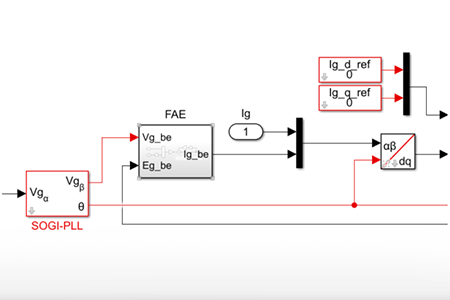
Fictive axis emulation is a vector control technique that is mostly used in single-phase inverter applications, where the second axis β of a rotating reference…
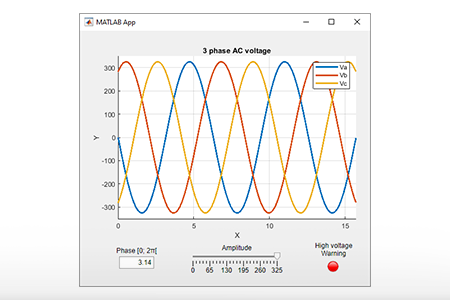
This note provides step-by-step guidance for implementing a basic Graphical User Interface (GUI) using MATLAB App Designer. A typical application of such a GUI could…
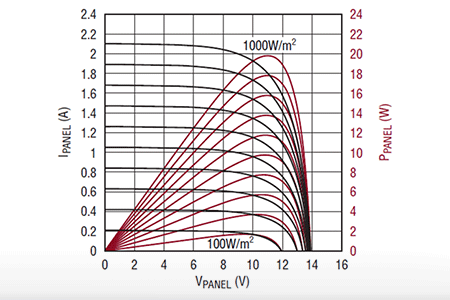
Some power sources, like solar panels, present power characteristics that strongly depend on the operating conditions. In such cases, Maximum Power Point Tracking (MPPT) is often applied to maximize the extracted power.
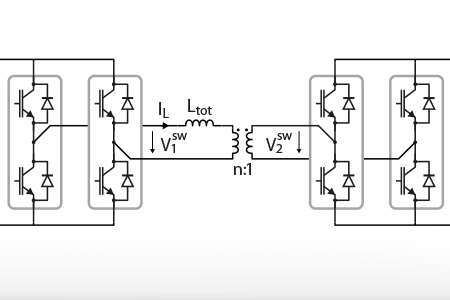
This note presents several modulation techniques to operate a Dual Active Bridge (DAB) converter. First, the topology and the theoretical aspects of the Dual Active…
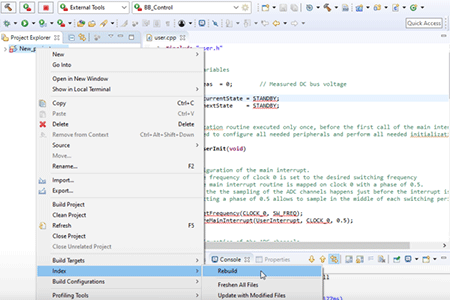
This page documents the common problems users can encounter during code development using an Eclipse-based environment such as the imperix C++ IDE. Resource is out…
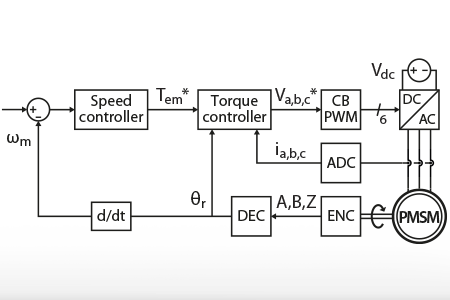
This technical note explains how to implement speed control for an electric motor. First, the note introduces the general operating principles of motor speed control,…
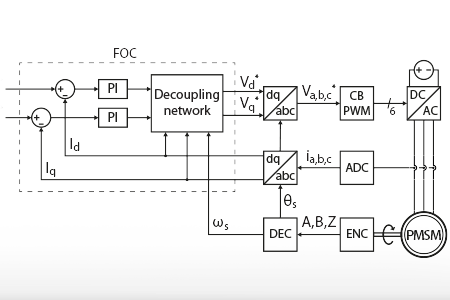
The Field-Oriented Control (FOC) method is a motor control strategy that orients the stator current vector in a rotating reference frame of the machine.
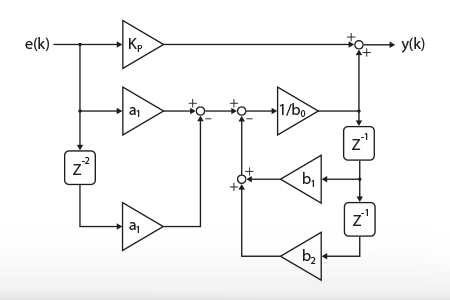
A proportional resonant control can be seen as the implementation of PI controllers within a rotating reference frame (dq), which allows to re-locate the infinite DC gain at desired frequency.
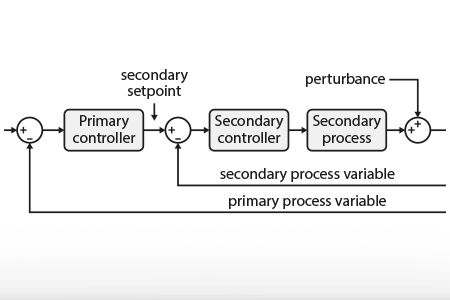
This note introduces the general operating principles of cascaded control and then details a possible design methodology. Then, an example of cascaded voltage control for a boost converter is provided.
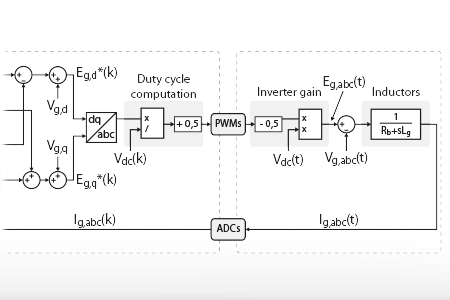
Vector current control is a widespread current control technique for three-phase AC currents, which uses a rotating reference frame, synchronized with the grid voltage (dq-frame)
End of content
End of content


