Motor emulation for PHIL prototyping
 TN185
TN185This article presents a Power Hardware-in-the-Loop (PHIL) system where the behavior of a Permanent Magnet Synchronous Machine (PMSM) is emulated for the validation of a…

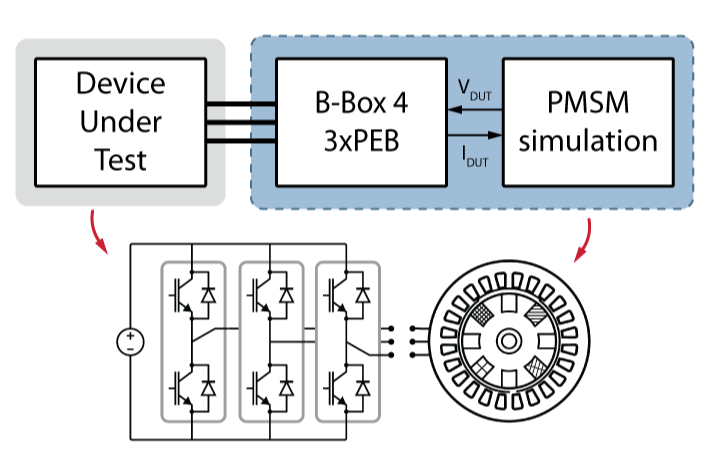
This article presents a Power Hardware-in-the-Loop (PHIL) system where the behavior of a Permanent Magnet Synchronous Machine (PMSM) is emulated for the validation of a…
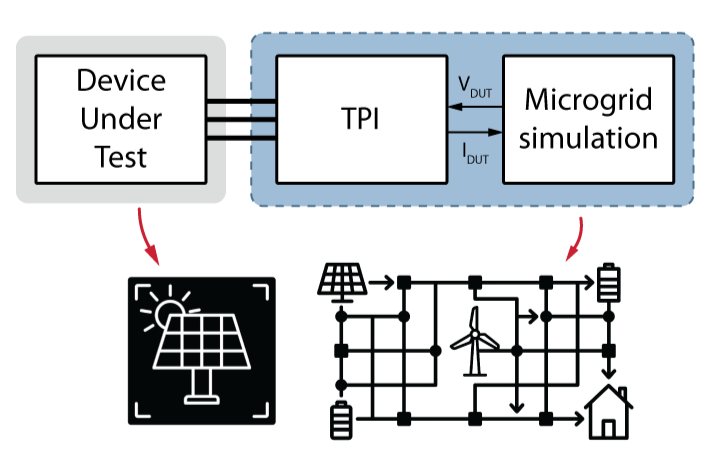
This article presents a Power Hardware-in-the-Loop (PHIL) application integrating imperix hardware with third-party simulators. In this example, the setup emulates a microgrid, and loads it…
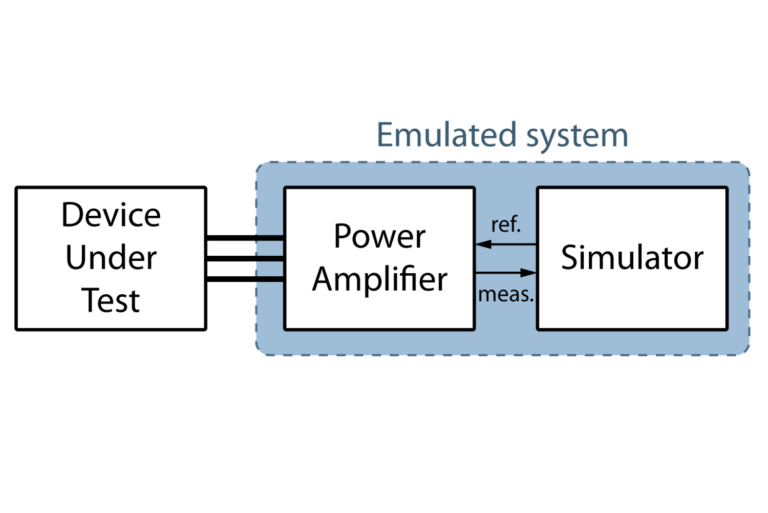
Power Hardware-In-the-Loop (PHIL) is a well-known method to validate the electrical behavior of a power device under test (DUT) under specific conditions without the need…
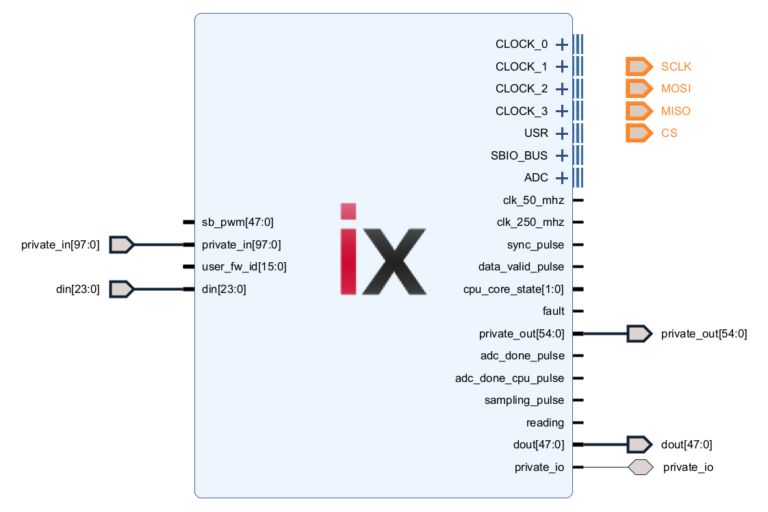
Imperix B-Box controllers, as well as the B-Board PRO, feature dedicated pins that connect directly from/to the FPGA, without any intermediary circuitry. In total, 36…
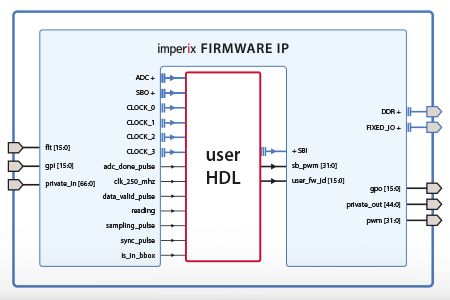
This page describes how to upgrade the imperix IP in an existing sandbox project, whether to restore compatibility with a newer SDK version or to…
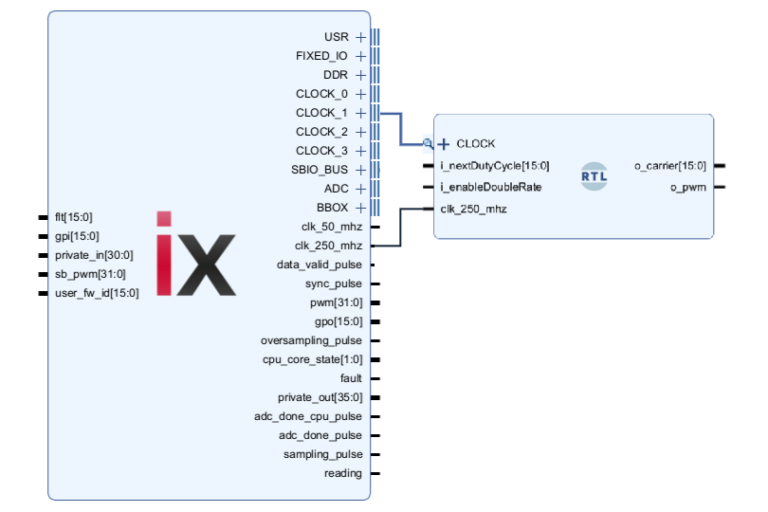
Beyond the built-in modulators accessible from the user application, the imperix sandbox enables PWM generation directly within the FPGA, allowing for the implementation of custom…
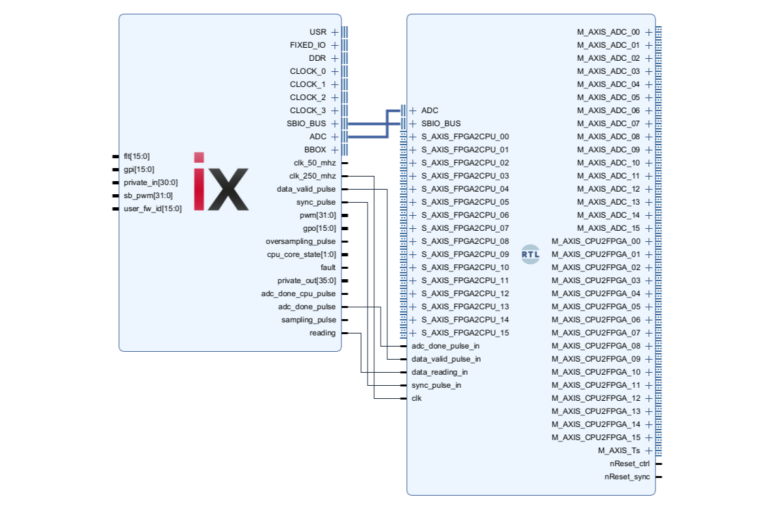
Imperix provides direct access to ADC measurements within the FPGA which allows for reduced delay between the sampling and the processing, but also helps supporting…

Imperix controllers offer a simple way to arrange user-defined data transfers between the CPU and the FPGA using dedicated read and write registers. Data is…
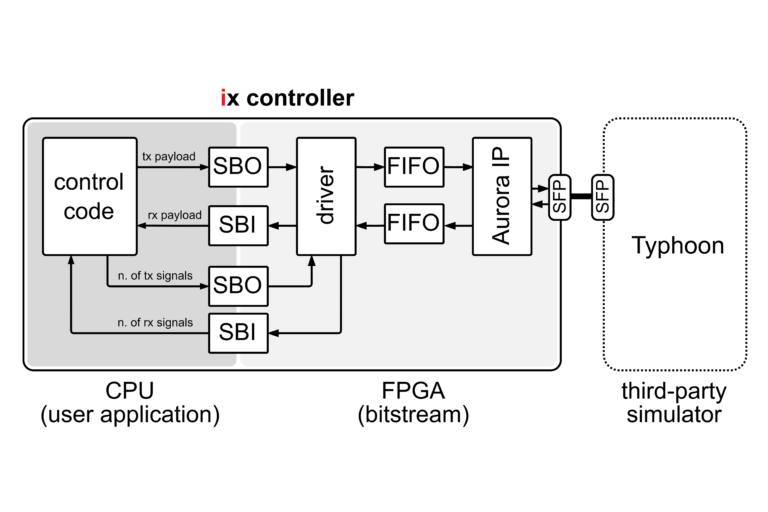
This page presents a practical example of Aurora communication with Typhoon HIL simulators, specifically the HIL101, HIL404, HIL506, and HIL606. It provides a ready-to-use user…
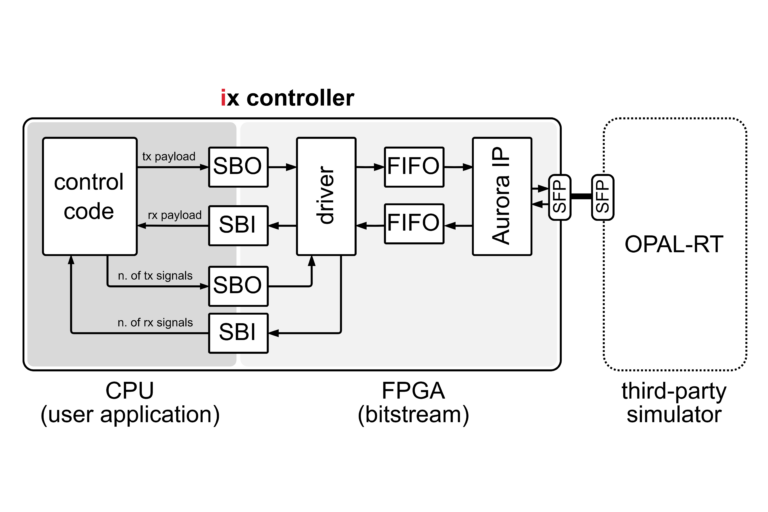
This page presents a practical example of Aurora communication with OPAL-RT simulators, specifically the OP4510 and OP4512. It provides a ready-to-use user application, along with…
End of content
End of content
