Scope Module
 PN301
PN301This article presents the key functions available in Cockpit’s Scope module and provides some usage examples. For users seeking general assistance with Cockpit, getting-started documentation is available…

These notes are specifically related to imperix products. They address both control or power hardware, as well as software solutions. Their aim is to document what users should understand to properly use imperix products. Product notes, therefore, provide complementary information with respect notably to product datasheets.
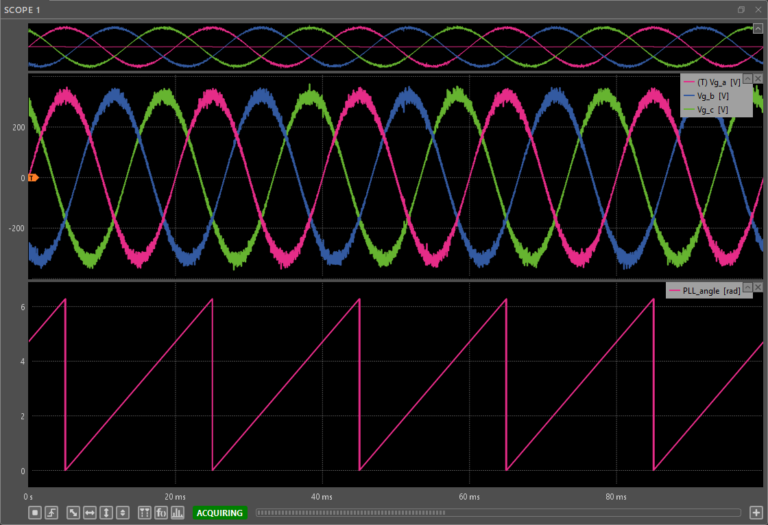
This article presents the key functions available in Cockpit’s Scope module and provides some usage examples. For users seeking general assistance with Cockpit, getting-started documentation is available…
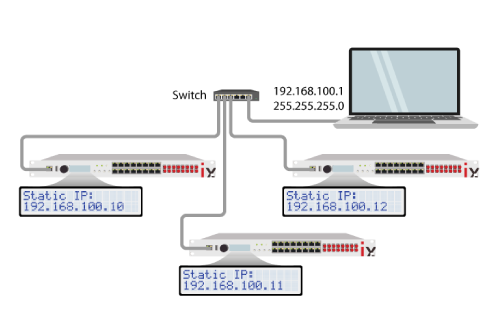
In most cases, connecting to the target using its dynamic IP address is straightforward and requires no additional setup. This dynamic IP is typically either…
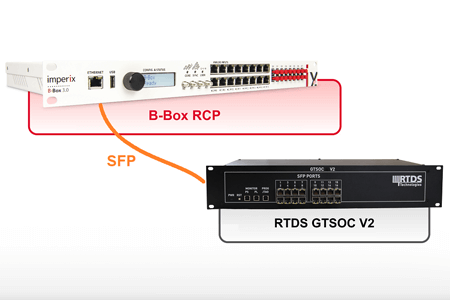
As introduced in PN109, SFP communication constitutes a convenient way to interconnect devices. Widely used, it offers an efficient layer on which protocols such as…
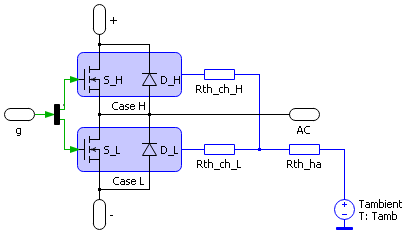
The imperix Power library is a blockset contained within the imperix ACG SDK that provides rapid and accurate modeling of imperix power products. Starting from 2025.1 BETA,…
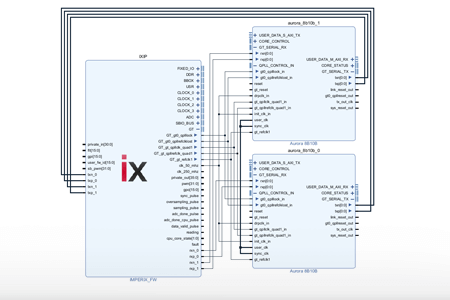
The SFP ports on imperix controllers are primarily intended for interconnecting controllers within a RealSync network. However, these SFP+ ports can also be repurposed for…
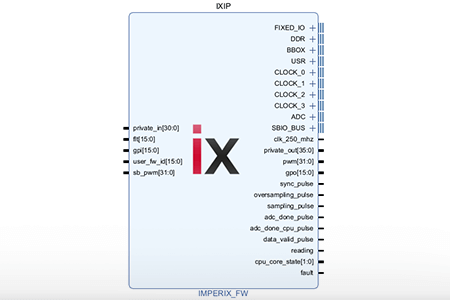
This page provides the imperix sources files required to start programming the FPGA on imperix controllers. The provided archive contains the imperix firmware IP and…
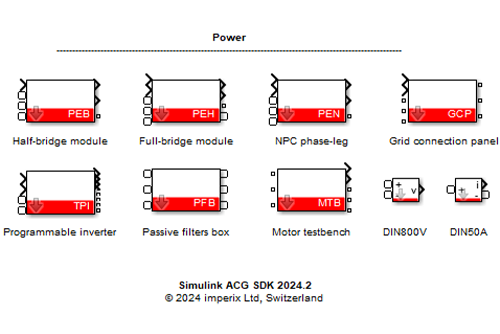
This article summarizes useful information for getting started with the Power library and provides an example that simulates a three-phase PV inverter. More general information…
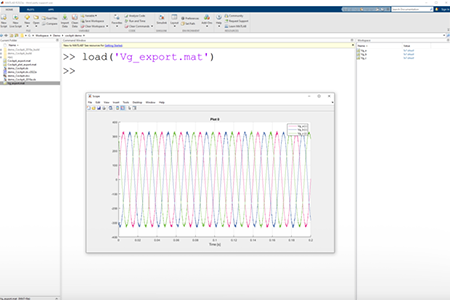
Cockpit provides several options for saving signals acquired by imperix controllers. This article provides information on the common structure of MAT files generated by Cockpit…
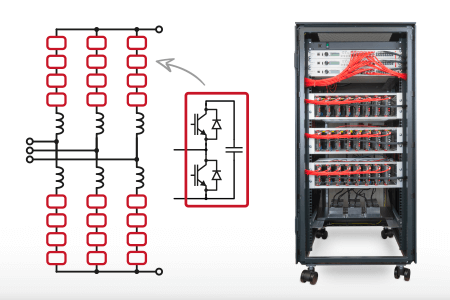
This article gives step-by-step instructions on how to operate the modular multilevel converter (MMC) bundle with a simple control algorithm.
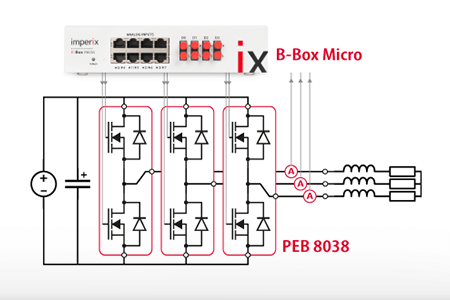
This article provides getting-started information for the B-Box Micro, highlighting the easy transition from computer simulation to laboratory testing. A practical “Hello World” example is…
End of content
End of content


