Download of the imperix firmware IP for FPGA sandbox
 PN117
PN117This page provides the imperix sources files required to start programming the FPGA on imperix controllers. The provided archive contains the imperix firmware IP and…

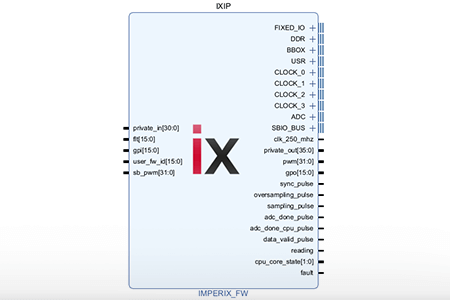
This page provides the imperix sources files required to start programming the FPGA on imperix controllers. The provided archive contains the imperix firmware IP and…
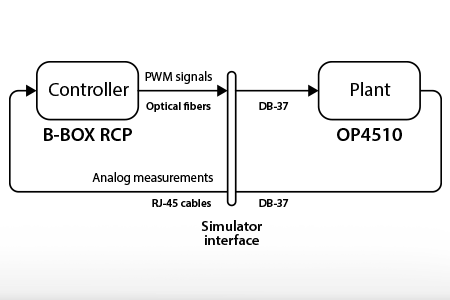
This page presents a first HIL example to get started with a B-Box RCP and an OPAL-RT OP4510. Although validated with an OP4510, the provided…
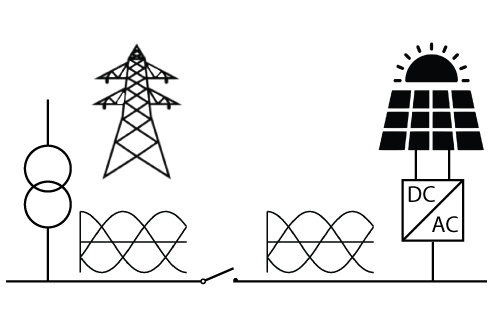
This technical note presents a selection of the most prevalent grid synchronization methodologies employed in grid-tied power converters. These methods are crucial for enabling power…
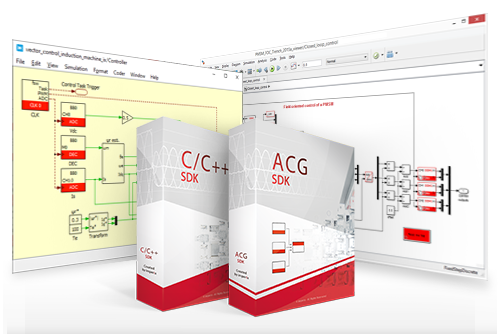
The CSR block is a simulation model included in the Imperix Power library. It implements the model of the imperix current sensor CSR-25-HBW and DIN50A in…
The VSR block is a simulation model included in the Imperix Power library. It implements the model of the imperix voltage sensor VSR-1000-ISO, VSR-500-HBW, and DIN800…
The PFB block is a simulation model included in the Imperix Power library. It models one symmetrical half of the imperix passive filters box in Simulink…
The GCP block is a simulation model included in the Imperix Power library. It models the imperix grid connection panel in Simulink and PLECS simulation. For…
The PEN block is a simulation model included in the Imperix Power library. It models the imperix NPC phase-leg PEN8018 in Simulink and PLECS simulation….
The PEH block is a simulation model included in the Imperix Power library. It models the imperix full-bridge module PEH4010 and PEH2015 in Simulink and…
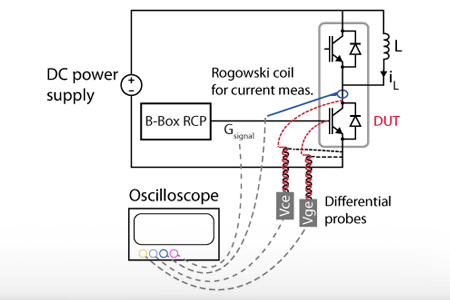
Double pulse testing is a widely utilized method to evaluate the switching behavior of power semiconductor devices, such as MOSFETs and IGBTs, as well as…
End of content
End of content


